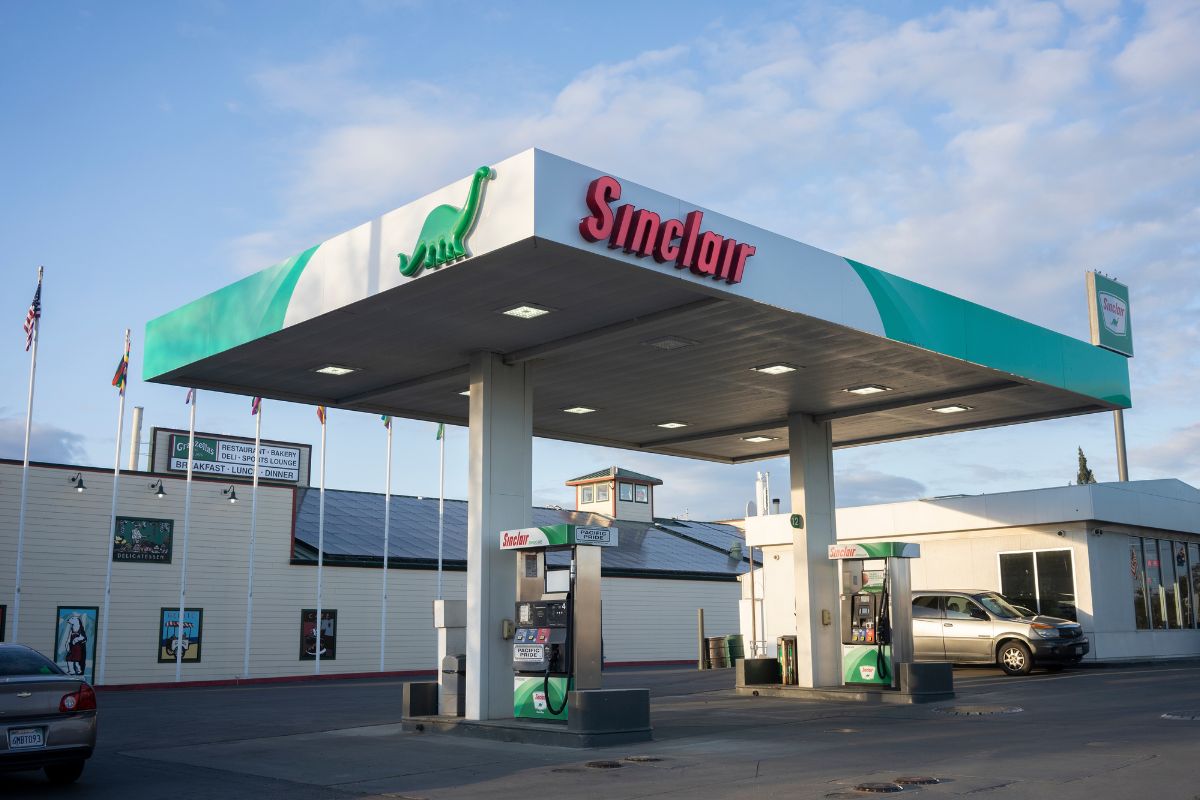
Los Angeles drivers are currently navigating a tumultuous landscape at the gas pump, witnessing dizzying price swings that can see a gallon of fuel jump from just above $4 to over $8 in a matter of miles. This extreme volatility in Los Angeles Gas Prices isn't just an inconvenience; it's a significant financial burden impacting daily commutes, the gig economy, and household budgets across Southern California.
Recent data reveals a stark reality: while the statewide average for a gallon of gas has soared above $5, Los Angeles County has seen its average reach a sobering $5.17 per gallon, an overnight jump of 17 cents. This surge isn't isolated, with Orange County close behind at $5.15 and Riverside County at $5.06. Yet, these averages only tell part of the story, obscuring the vast disparity drivers encounter within the sprawling metropolis.
The Volatile Landscape of Los Angeles Gas Prices: A Stark Reality Check
The tale of two pumps is a daily reality for many Angelenos. On one hand, bargain hunters like Deejay Brown are "always searching for cheaper gas," a quest that might lead them to an American Oil station in Exposition Park, where prices have recently hovered just above $4 a gallon. This offers a fleeting sense of relief in an otherwise expensive market.
However, just a few miles away, the situation can be dramatically different. A Chevron station in downtown Los Angeles recently shocked drivers by charging an astonishing $8.21 per gallon. Denise Rodriguez, a local driver, expressed the widespread sentiment: "It's insane, insane work... it's too, too high. I definitely won't be coming here for that." Even visitors, like Matt Jozwiak from New York, were taken aback, stating, "I just actually could not believe my eyes when I saw that $8, that is wild."
This immense spread highlights the unpredictable nature of fuel costs in the region. For everyday drivers and especially those in the gig economy, like the Uber driver who lamented, "I mean, I drive Uber and I'm just getting killed right now, and I mean gas prices are just so high... they were high before the war," these fluctuations directly translate into a diminished take-home pay and increased financial stress. The chase for the lowest price has become a critical part of the daily routine for many trying to cope with escalating Los Angeles Gas Prices hitting a $5.17 average amid Southern California surge.
Behind the Pump: Unpacking the Causes of LA's Fuel Rollercoaster
Understanding why Los Angeles Gas Prices are so volatile requires looking beyond local factors to a complex interplay of global events, state policies, and seasonal demands.
Global Geopolitics and Oil Prices
A significant catalyst for the recent surge was the escalating conflict in the Middle East. According to AAA, the national average for gas prices rose by nearly 50 cents a gallon in the week following the outbreak of war in Iran. The joint U.S.-Israel attack on Iran, in particular, sent jitters through global oil markets, driving crude oil prices higher almost instantaneously. Even before this, prices were already trending upward due to typical seasonal patterns as refineries switch to summer-blend gasoline and demand increases.
California's Unique Regulatory Environment
Experts consistently point to California's distinct regulatory policies as a major contributing factor to its elevated fuel costs. The state mandates a special blend of cleaner-burning gasoline to combat air pollution. This unique formulation is more expensive to produce, and fewer refineries are equipped to make it, which limits supply. Furthermore, California imposes higher state taxes and fees on gasoline compared to most other states, further widening the gap between the Golden State's prices and the national average.
Reduced In-State Gasoline Production
Compounding the issue is a reduction in California's in-state gasoline production. Refinery shutdowns for maintenance, unexpected outages, or conversions to produce alternative fuels can significantly tighten the supply of the state's specialized fuel blend. When local supply struggles to meet demand, the reliance on imports increases, adding to transportation costs and making the market more susceptible to price spikes. These combined factors create a challenging environment where war in Iran and CA policies drive Los Angeles Gas Price spikes to extreme levels.
Navigating the Surge: Practical Strategies for Los Angeles Drivers
Facing such unpredictable and high prices, Los Angeles drivers are actively seeking ways to mitigate the impact on their wallets. While driver Michale Terry lamented, "Hopefully, something happens about it. I really can't do nothing but complain," there are indeed actionable steps individuals can take.
- Utilize Gas Price Apps: Tools like GasBuddy, Waze, and others allow drivers to compare prices at nearby stations in real-time, often helping them locate the cheapest options within their driving radius. This can reveal significant savings, especially when looking for those stations hovering near the $4 mark.
- Optimize Driving Habits: Smooth acceleration and braking, maintaining a consistent speed (especially on highways), and avoiding excessive idling can significantly improve fuel efficiency. Aggressive driving wastes gas, so a calmer approach can lead to tangible savings.
- Maintain Your Vehicle: Regular car maintenance, including keeping tires properly inflated, getting routine oil changes, and ensuring air filters are clean, can boost your car's fuel economy. Underinflated tires alone can decrease mileage by 0.2% for every 1 PSI drop in pressure.
- Lighten the Load: Remove any unnecessary weight from your vehicle. The heavier your car, the more fuel it consumes.
- Plan Routes Efficiently: Combine errands into a single trip to reduce overall mileage. Using navigation apps to find the most efficient routes can also save gas and time.
- Consider Loyalty Programs: Many gas stations and grocery stores offer loyalty programs that provide discounts per gallon. Signing up for these free programs can yield consistent savings over time.
- Explore Alternative Transportation: For shorter distances, consider walking, biking, or utilizing Los Angeles's public transportation system. Carpooling with colleagues or neighbors is another excellent way to share the burden of fuel costs.
Beyond the Tank: The Wider Impact on LA's Economy and Daily Life
The ripple effects of exorbitant Los Angeles Gas Prices extend far beyond individual pain at the pump. The region's economy and the fabric of daily life are significantly influenced by these fluctuations.
Impact on the Gig Economy
As highlighted by the Uber driver, the gig economy is particularly vulnerable. For rideshare drivers, delivery personnel, and other mobile service providers, fuel is a primary business expense. When prices surge, their net earnings plummet, making it harder to sustain a living in an already high-cost city. This can lead to a reduction in available services or an increase in prices for consumers.
Strain on Household Budgets
With an already high cost of living, soaring gas prices put immense pressure on household budgets. Families may have to cut back on discretionary spending, groceries, or other necessities to afford their commute. This economic squeeze can slow local spending and impact small businesses that rely on consumer purchases.
Logistics and Supply Chains
Every product transported into and around Los Angeles relies on fuel. Increased gas prices translate directly into higher operating costs for trucking companies, couriers, and local businesses that depend on deliveries. Ultimately, these additional costs are often passed on to consumers in the form of higher prices for goods and services, contributing to inflationary pressures across the board.
Looking Ahead: What the Future Holds for Los Angeles Gas Prices
The consensus among experts is that volatility will remain a defining characteristic of Los Angeles Gas Prices. The delicate balance of global supply and demand, geopolitical stability, and California's specific market conditions mean that dramatic price swings are likely to be a recurring feature rather than an anomaly.
In the long term, policy discussions around energy independence, investments in renewable energy sources, and improvements in public transportation infrastructure could offer some relief. The state's push towards electric vehicles (EVs) is also a significant factor. As more Angelenos transition to EVs, the demand for gasoline will theoretically decrease, potentially stabilizing prices, though this is a gradual shift that faces its own infrastructure challenges.
For now, drivers in Los Angeles must remain vigilant and adaptable. The era of casually filling up the tank without a second thought is long gone, replaced by a strategic approach to managing one of the most unpredictable expenses in the Golden State.
The journey from $4 to over $8 for a gallon of gas in Los Angeles encapsulates the complex challenges facing drivers and the broader economy. Driven by a potent mix of global conflicts, unique state regulations, and seasonal demand, Los Angeles Gas Prices are a constant reminder of external forces impacting local pockets. While the frustrations are palpable, an informed approach, coupled with strategic planning and adaptive driving habits, remains the best defense against this ongoing fuel rollercoaster for Angelenos.